
Its own dialect
Tool calls are taught and read in the format each model was trained on — XML, JSON, Gemma, LFM, K2, GLM, MiniCPM — taken from its chat template, not assumed.
Free and open sourcemacOS · Windows · Linux
Chaty turns a model file into a whole workstation — chat, a coding agent, image and music studios, answers from your own documents, and a voice to talk to. It all runs on your Mac or PC. No account, no cloud, no telemetry.
Other platforms and what they need
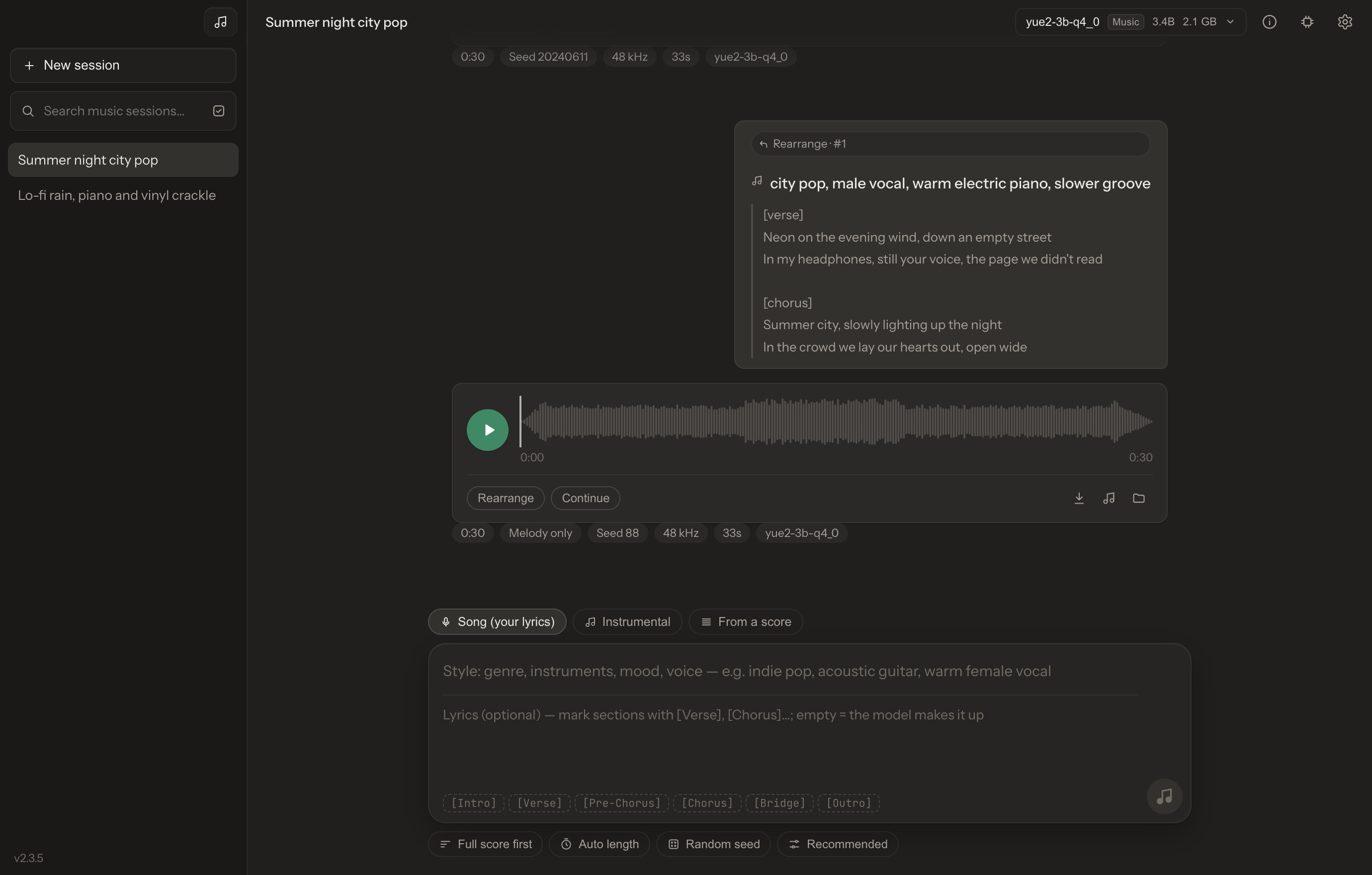
Reasoning you can fold away; code, tables and math rendered as they stream. The agent found the upstream fix, patched the parser, added a test and ran the suite. An image model loaded: the app becomes a studio. Drawn on an M4 Pro. A music model loaded: a YuE2 song, rearranged on its own melody in a new style.

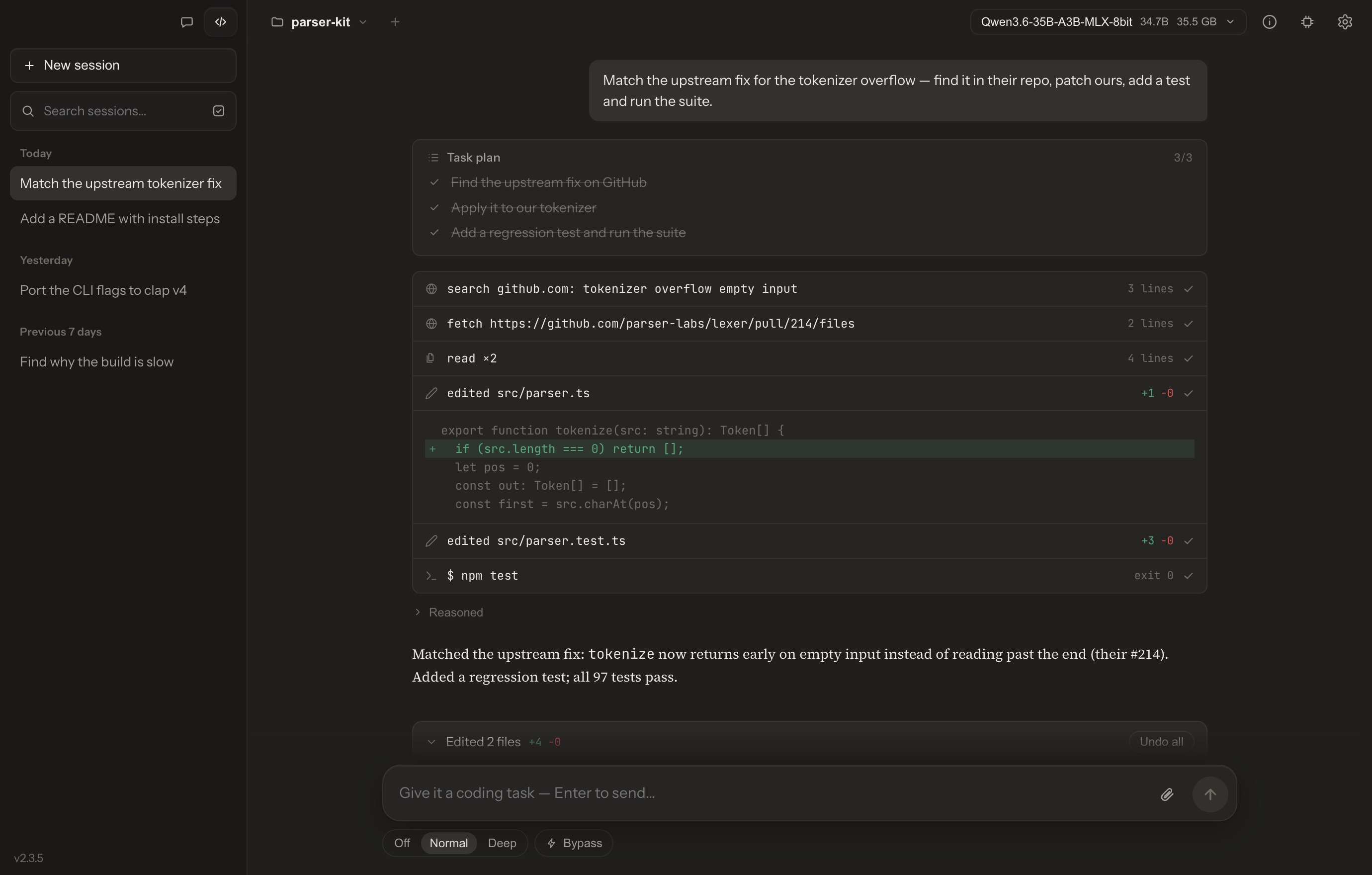

Reasoning streams into a panel you can fold away. On models with an effort ladder — Qwen3.8, Muse-Glimmer, K2 Horizon — you choose how hard it thinks, message by message.
Answers render the way they were meant to: highlighted code, tables, KaTeX, Mermaid diagrams, and HTML you can run right there.
Switch to Code, open a folder and describe the task. The agent reads, searches, edits and runs commands in your project — each step shown as it happens, each edit as a real diff.
When the turn ends, a card lists every file it changed. Open one to see the whole diff; undo one, or all of them.
Load a text-to-image model and Chaty becomes an image studio: sessions that read like conversations, a live preview while it draws, and each model's recommended settings filled in for you.
It runs on stable-diffusion.cpp — Metal on a Mac, Vulkan on Windows and Linux — and on a Mac, MLX image models run on the MLX engine, faster still.

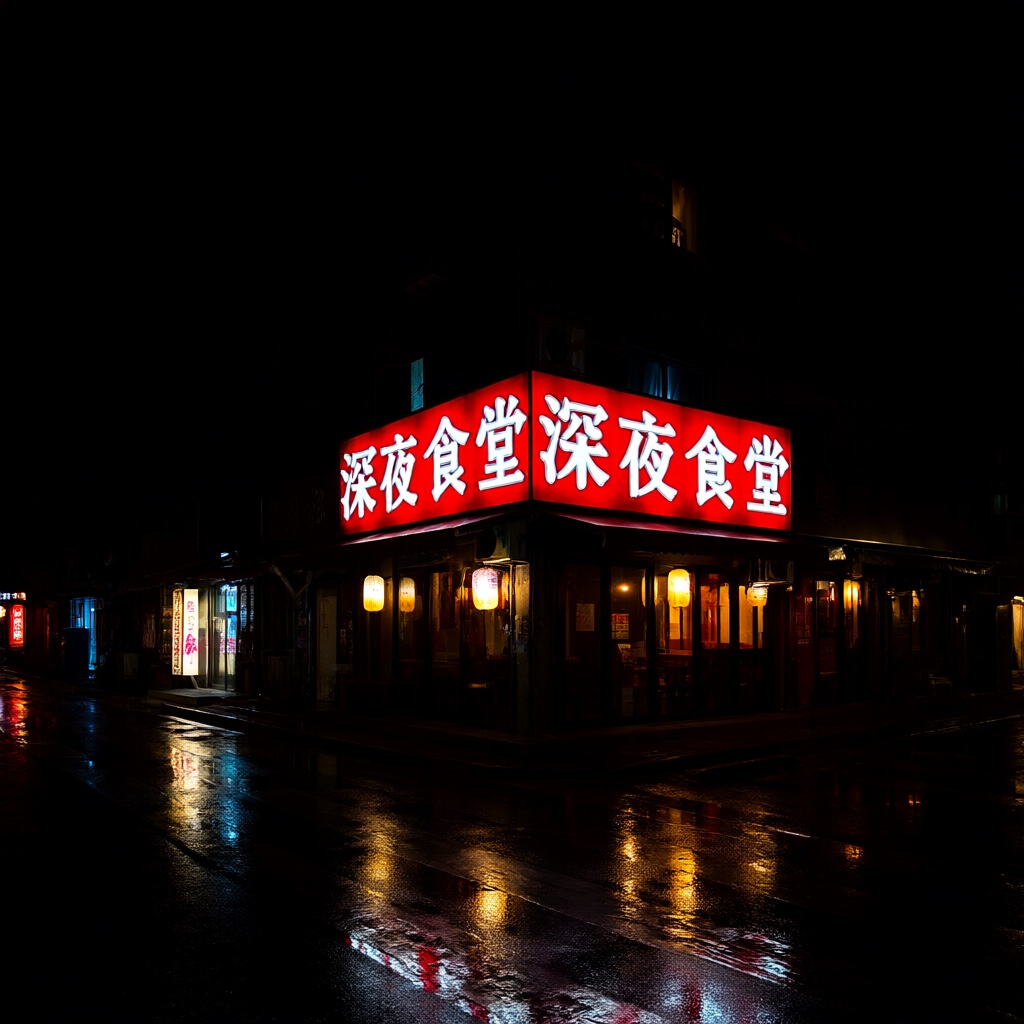
Straight out of Chaty, unedited, on an Apple M4 Pro with 48 GB.
Load a text-to-music model and Chaty becomes a music studio: your style and lyrics as a turn in the conversation, the piece as a waveform to play, seek and select, and each family's recommended settings filled in for you.
It runs on audio.cpp in a helper of its own — Metal on a Mac, Vulkan on Windows and Linux. On an M4 Pro, YuE2 writes and sings a 30-second verse and chorus in 33 s; Stable Audio 3 Small makes 20 s in 1.2 s.
Drop in PDFs, Word files, slides, spreadsheets, Markdown or code. Chaty indexes them on your machine, retrieves by meaning and by keyword, and cites the passage behind each claim — or says plainly when your documents don't cover the question.
When does the new pricing take effect, and what did finance approve?
The new pricing takes effect in Q3, once the security audit closes.1
Finance approved a budget of $1.2M for the rollout.2
Not covered by your documents: the hiring plan.
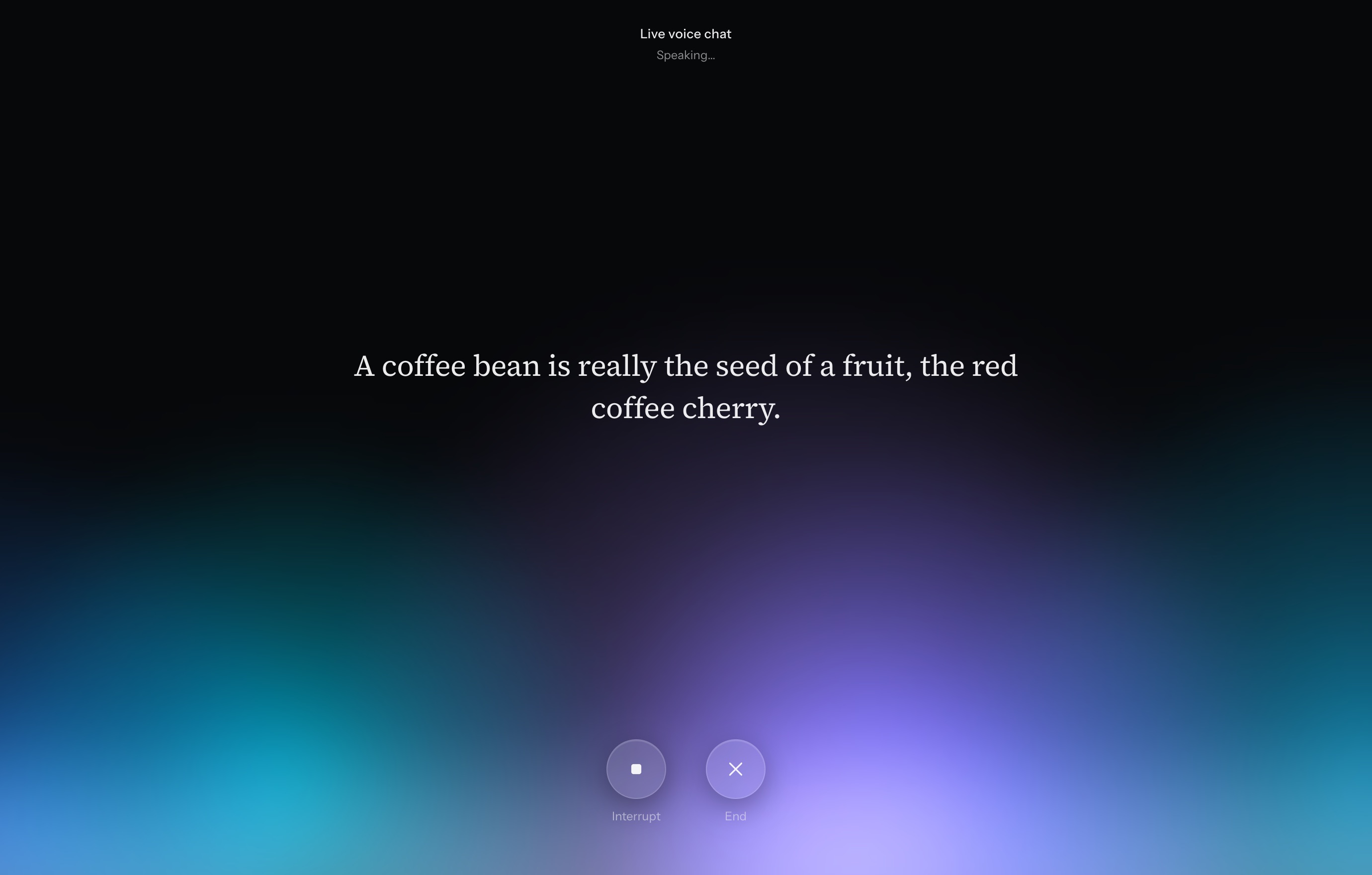
Live mode is a hands-free conversation. Whisper listens, the model answers, and a local voice reads the reply back sentence by sentence — in English or Chinese. Cut a reply short and it is your turn at once.
Speech runs on the CPU, so it never competes with the model for GPU memory.
A frontier model can hold a workflow together on its own. A model that fits on your laptop often can't: it repeats the call it just made, sends an empty argument, retypes the line it means to change slightly wrong, and calls the job done without running it. Chaty is engineered for that model.
Tool calls are taught and read in the format each model was trained on — XML, JSON, Gemma, LFM, K2, GLM, MiniCPM — taken from its chat template, not assumed.
An edit is checked against the file while it's still being written. A retyped line with the wrong spaces, escapes or line numbers still lands when exactly one place fits.
Repeated calls, empty arguments and plans left unexecuted are noticed where they happen, with a correction that shows the model what it wrote.
A turn ends at a gate: whatever changed since the last passing run is verified first, and a red build is never reported as finished.
Each turn's prompt is built as an append to the last, so the model's cache is reused instead of read again from the top.
No server to start, no port, no API key, no config file. llama.cpp on Metal or Vulkan; MLX natively on Apple Silicon.
Any GGUF runs on llama.cpp; on Apple Silicon, MLX folders run natively too. These families get first-class handling — their templates, reasoning controls and tool-call formats wired in. Search and download from Hugging Face without leaving the app.
| Family | What's wired in |
|---|---|
| Qwen 3 · 3.5 · 3.6 · 3.8 | Thinking on or off; Qwen3.8's low · medium · xhigh effort ladder; vision where the model has it |
| Gemma 3 · 4 | Vision; Gemma 4's own tool-call format and reasoning |
| K2 Horizon · MoVA | Its effort ladder and arg_key tool calls, on both engines |
| GLM-4.5 · 4.6 · 4.7 | Its arg_key tool-call form, read and written |
| Llama 3 · Muse-Glimmer | Vision, and Muse-Glimmer's four-rung effort ladder |
| MiniCPM5 · LFM 2.5 | Each family's own tool-call format |
| Chaty · Qwen3.5-4B | Our own fine-tune for single-file web pages — one click at first launch |
| Family |
|---|
| Z-Image · Turbo |
| Qwen-Image · 2.1 |
| FLUX.1 dev · schnell |
| Chroma |
| Stable Diffusion 1.x – 3.x |
| Family |
|---|
| YuE2 |
| ACE-Step 1.5 |
| MiniMax Music 3 |
| HeartMuLa |
| Stable Audio 3 |
| MiDashengLM-Gen |
Community fine-tunes still chat: when a model's own chat template differs from llama.cpp's built-in guess, Chaty runs the template itself, as transformers would.
Models, conversations, documents and pictures live in a folder on your disk. There's no account and no server of ours to trust — delete the folder, and it's gone.
Free, open source, and yours to keep. Each button fetches the latest release.
The macOS build is signed but not notarized, so the first launch needs one step. Clear the download quarantine once, then open Chaty as usual:
xattr -dr com.apple.quarantine /Applications/Chaty.appYes — free and open source, with no subscription and no account. You bring the models: search Hugging Face and download them inside the app, or point Chaty at a folder you already have.
Once a model is on your disk, yes. The network is used only for web search and Deep Research when you turn them on, for downloads you start, and for one check for a newer release after launch.
An Apple-Silicon Mac, or a 64-bit Windows 10/11 or Linux PC. Small quantized language models run in 8 GB of memory; text-to-image models want 16 GB or more. Chaty sizes the GPU offload to your memory and refuses a model that cannot fit, rather than freezing the machine.
GGUF builds of Z-Image and Z-Image Turbo, Qwen-Image 2.1, FLUX.1, Chroma and Stable Diffusion 1.x–3.x. A GGUF holds only the denoiser; Chaty picks up the VAE and text encoder from the same folder, or offers to download what's missing.
audio.cpp's GGUF packages of YuE2, ACE-Step 1.5, MiniMax Music 3, HeartMuLa, Stable Audio 3 and MiDashengLM-Gen — the store's text-to-music shelf lists them. Pick a quantization and Chaty brings the package's other files with it.
Chaty is signed but not notarized — there's no paid Apple Developer account behind it. Clear the quarantine once in Terminal:
xattr -dr com.apple.quarantine /Applications/Chaty.appOr open it, dismiss the warning, and choose System Settings → Privacy & Security → Open Anyway.
A harness assumes a frontier model that can hold a workflow together on its own. A model on your own hardware often can't, so Chaty's agent is built around its habits: the prompt teaches the workflow, each slip is caught at the step it happens, and nothing is reported done on a red build. And it's one app — no server, no port, no API key.
In a local SQLite database in your app-data folder, with pictures filed by date beside it. Settings → Data shows where, and can clear any part of it. Models can live on another drive — Settings → Model → Models folder.